Mercosur celebrates the signing of the agreement with the European Union: “It is a historic moment”.”
Green light to the pact that will create the largest free trade zone in the world, with more than 720 million consumers.

 EN
ENOpportunity buying, hedging, or buying in anticipation of what is to come stabilized prices.
In light of rising inflation and the depreciation of the peso, Land purchases gained momentum in the country as investors of all types and sizes considered them a safe haven for their money.; This trend was observed from the first half of 2023 and slowed the decline in prices, only losing momentum after President Javier Milei took office, pending concrete measures for the sector.
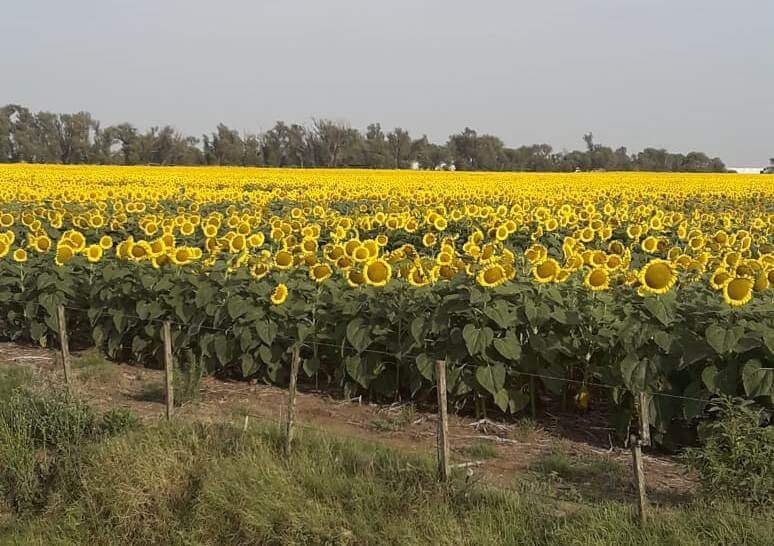
Only 12% of the Earth's land surface is suitable for cultivation. Argentina has 20% of that surface area.. Therefore, for Argentines, land was, is, and will continue to be, along with bricks, a vehicle for safeguarding capital, especially in times of crisis.
The second half of 2022 ended up being complicated from both an economic and political standpoint. Then came the drought. However, interest in agricultural and livestock lots picked up in the first half of this year. This was partly in response to hedging operations and partly to take advantage of attractive opportunities.
“In dollar terms, local prices lagged far behind those in neighboring countries.”, he points out. Carlos Steiger, director of the Master's program in Agribusiness at Austral University (UA). According to the Argentine Chamber of Rural Real Estate (CAIR), this decline has already come to a halt.
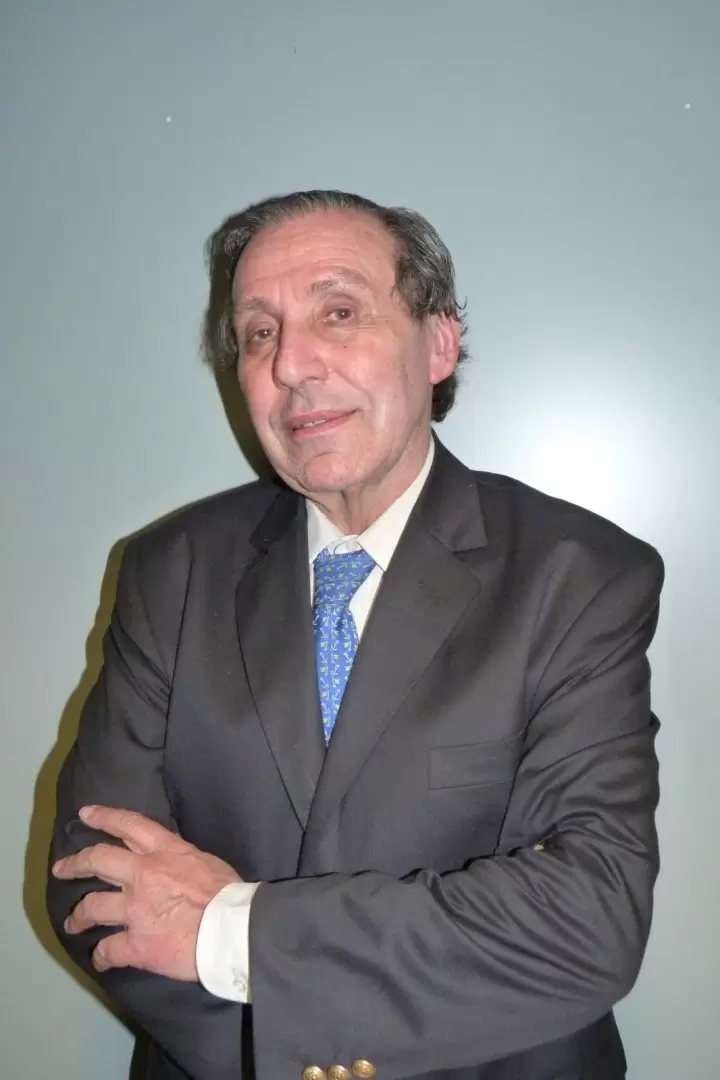
“Historically, In election years, investors are cautious. This is even more so when there is a change in presidency. A few months before the elections, the market slows down. But that was not the case this time. A change in political direction was on the horizon,” he says. Juan José Madero, director of the Campos division of L. J. Ramos.
In the months leading up to and following the PASO primary elections, domestic and foreign investors swarmed this market. They remained active, albeit with varying degrees of intensity, despite the surprising results of the three votes.
“Once Milei won, expectations for change crystallized. However, it raised doubts about how he would implement everything announced by the then-presidential candidate,” Madero notes.
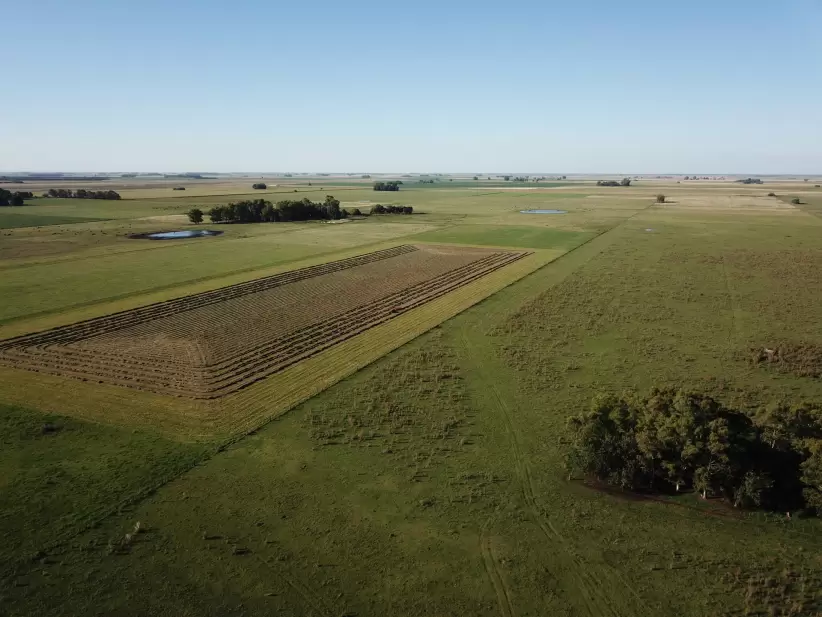
According to analysts, the fields are comparable to gold in financial terms. However, profits are not only gained from the difference in price compared to them. They allow the transaction to be split, either by renting them out or through agricultural production.
“Currently, Argentina has the cheapest land in the world. In contrast, internationally, land values have increased by around 1,000% in dollars in just over 30 years.”, estimates Osvaldo Botta, owner of the real estate company that bears his name.
Today, a field in Mato Grosso is valued at $38,000 or $40,000 per hectare, while domestic land in high-productivity areas ranges from $17,000 to $22,000.. “Logically, tax pressure and withholdings reduce our profitability. But with what you can buy one hectare in Brazil, you can buy two here,” notes Botta.
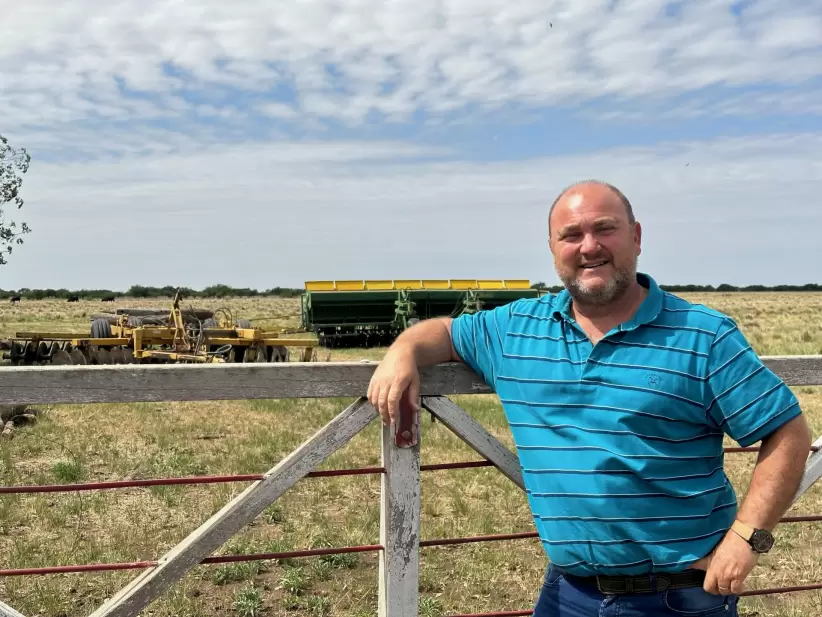
The combination of these factors means that Argentina has the cheapest land in the world in relation to its quality. And this fact has been noticed by rural landowners from different parts of the world.
“Buying land is not an easy investment. Nor is there much supply. If you want to buy a few square meters in Palermo or Barrio Norte, there are certainly several alternatives. On the other hand, if you are interested in 200 hectares to grow crops or raise livestock, there may be a possibility after a long time,” he warns. Federico Nordheimer, director of Nordheimer Campos y Estancias.
The excellence of the Humid Pampa is based both on its climate and the quality of its soils. “From 2004 to 2008, our agricultural sector enjoyed a good period with soybeans at $600 per ton. This led to a lot of activity in the sector. It even expanded northward to Salta, Santiago del Estero, and Formosa,” adds Nordheimer.
In 2022, the war between Russia and Ukraine, rising commodity prices, the fall of the US stock market, and a good 2021-2022 season increased interest in these properties. Shortly thereafter, Economy Minister Martín Guzmán resigned. Almost immediately, drought set in. Both factors weakened this buying trend.
“For all these reasons and others, it could be said that, since 2014, values in this segment have been flat, mainly due to political issues,” acknowledges Steiger, from the UA.
According to CAIR, prices have stabilized. “They have leveled off with a tendency toward recovery. However, prices for prime agricultural land have already recovered,” says Madero, who is also a former president of that chamber.
It should be noted that the most sought-after lands are those in the core area of the Pampa Húmeda. They stand out for their productive characteristics on a global scale. It is composed of southern Santa Fe, eastern Córdoba, and northern Buenos Aires..
“Land suitable for wheat harvesting costs around $2,200 per hectare. In eastern La Pampa, where towns such as Bernasconi and Jacinto Arauz are located, you can get the best return on your investment in land. Meanwhile, in Córdoba, there is almost no supply,” explains the head of Osvaldo Botta Campos & Estancias.
These transactions are usually long-term. Investors analyze the alternatives thoroughly. After visiting a few, they may get in touch six months later to finalize the deal.
This behavior is due to the fact that it is not so easy or quick to deactivate these placements. They are long-term instruments. “They are illiquid. Added to this characteristic is the fact that, In Argentina, things change radically from one day to the next. When Guzmán resigned, we were about to close a deal. The buyers had to sell soybeans to obtain foreign currency to complete the transaction. Overnight, that commodity was worth 50% less.”Nordheimer explains.
With its ups and downs, Land capitalization ranges between 1.51% and 21% annually in real dollars. When selling, counteroffers of between 101% and 301% may be received.
Although it was a negative event for production, the drought contributed to the revaluation.“Unlike in 2000, producers had not mortgaged their land due to the lack of credit. Therefore, there was no urgency to sell land to cover expenses or pay off debts. This behavior strengthened prices.” adds Botta.
70% of this land is used for growing grain. “In fact, the drought drove up demand for livestock rentals in search of pasture for the animals,” points out the executive of L. J. Ramos. The rains in April and May got the sector back on track.
Domestic investors also flocked to neighboring countries. In this way, they diversified their capital in the face of a weakening exchange rate and rising inflation. Uruguay, Paraguay, and Brazil caught his interest.
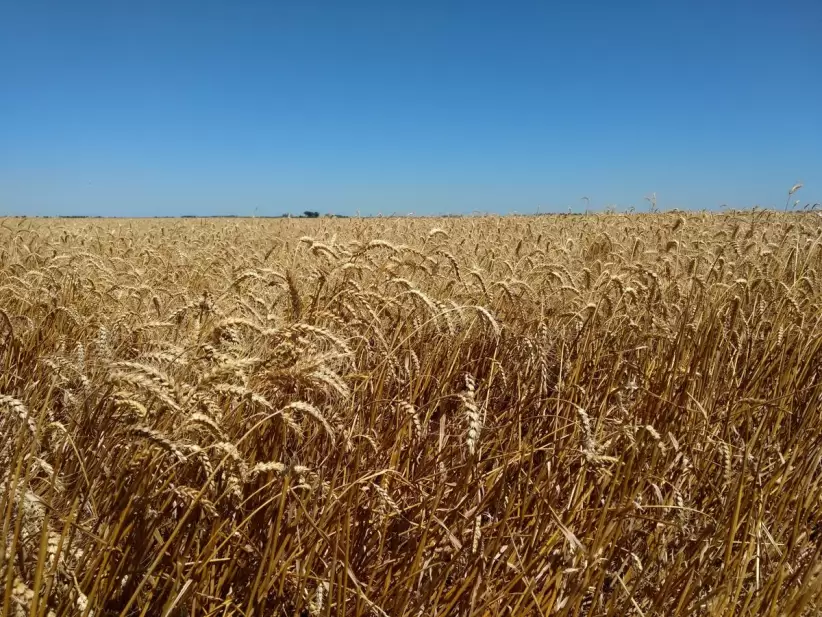
“The price of Brazilian farmland has experienced significant growth. Its current values are comparable to those in the United States. This is due to years of good agricultural profitability,” emphasizes the professor at Austral University.
For its part, Uruguay is one of the most stable nations in the region. This factor overshadows its lower returns. Likewise, many still consider it the Switzerland of South America. Its fields were revalued by the influx of Argentine capital. This occurred mainly in its coastal areas, the departments of Paysandú, Río Negro, and Salto..
“In neighboring countries, a kilo of soybeans or a steer is worth the same as in Chicago. In our country, this is not the case due to withholding taxes,” emphasizes Osvaldo Botta.
Currently, Land in the eastern town of Soriano, whose quality is comparable to that of southern Entre Ríos, ranges from $9,000 to $10,000. Meanwhile, similar land in Entre Ríos costs around $5,000.
Paraguay It's a new horizon. For the moment, offers greater returns due to lower tax pressure. Its best agricultural area is in the east, near Brazil and Misiones.. In that region, lots can be purchased for $15,000.
Leasing is another way to obtain a return. “For three consecutive years, it has not been possible to meet this demand. Interest is so high that negotiations take place “at the gate”. One tenant leaves and there are two waiting to move in,” Madero points out. Its profitability is equivalent to between 2.51% and 3.51% of the property's appraisal value.
“You could say that nThere is no land that cannot be rented. Negotiations take place directly in the village. Perhaps that is why some contracts contain certain errors, such as payment terms, form, and method of delivery, among others. These are details that affect the business and should be consulted with experts,” explains the Nordheimer executive.
Since 2011, Law 26,737 on Rural Lands has regulated the sale of land to foreigners. It stipulates that they cannot own more than 1,000 hectares in the core region. Nor can they exceed 15% of the national, provincial, or departmental territory, or 30 % of the percentage of foreign ownership from the same nationality. “This put an end to that investment trend. Foreign capital is now directed to marginal areas that needed more financing to produce,” adds Juan José Madero. It remains to be seen what will happen if the changes announced in Milei's emergency decree on Wednesday night are implemented.
Notwithstanding this, inquiries from foreign investors have been detected in recent months. Most of them focused their interest on the Pampa Húmeda region.. It all started with the possibility that the libertarian candidate would win the election. “People in the agricultural industry are well aware of the quality of our fields. They began to look for buyers when Javier Milei's victory was confirmed, and because of the low value of our land,” explains Nordheimer.
It should be remembered that Land valuations in the United States are double those in Spain. A hectare in the U.S. corn belt (Iowa, Ohio, and Nebraska) can fluctuate between $20,000 and $40,000.
“With all the back and forth, Argentina is for bold, flexible, and agile investors. For us it's commonplace, but not so much for people in the developed world,” Nordheimer points out.
Nevertheless, Livestock producers from Dakota and Houston were spotted seeking opportunities in the country. Visits to specialized real estate websites by people from Israel, Saudi Arabia, and Europe also increased. However, they still represent a smaller percentage of the total.
“The supply is still very limited. You visit the websites in the sector and it seems like there is a wide range of options, but when you analyze it, for example by party, you see that it is scarce,” says Osvaldo Botta.
The number of concrete measures remains low. Rural landowners like to “walk” with firm steps. They remember that in the early years of Mauricio Macri's administration, the economy normalized. Shortly thereafter, much of that progress was undone. Like “he who was burned by milk, sees a cow and cries,” activity is now on pause. The outlook is good. There may be movement in the medium term. Everything will depend on the measures taken by the new president.