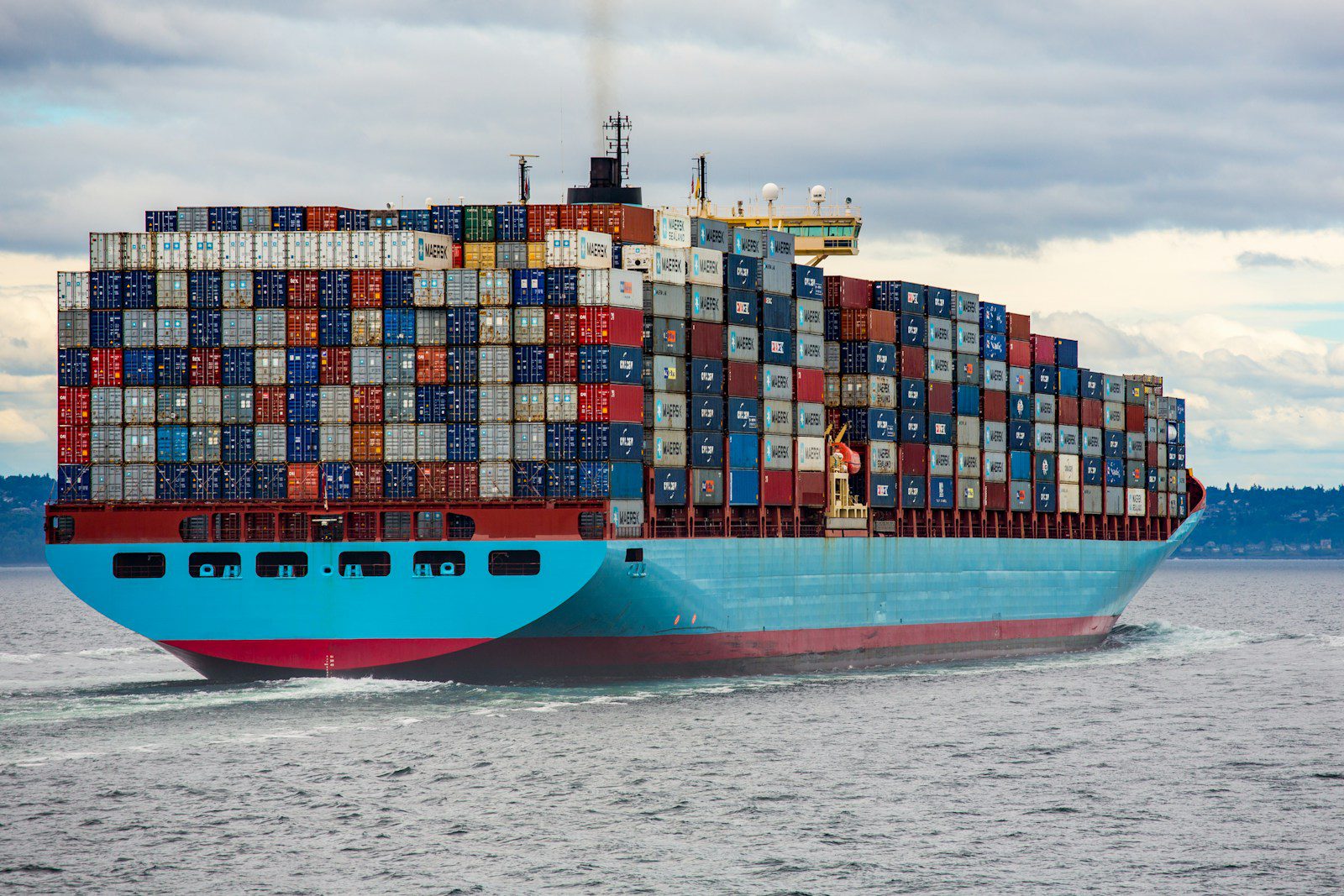

Mercosur celebrates the signing of the agreement with the European Union: “It is a historic moment”.”
Green light to the pact that will create the largest free trade zone in the world, with more than 720 million consumers.

 EN
ENAfter an excellent 2024/25 season, the opportunity for further growth lies in high oleic varieties.
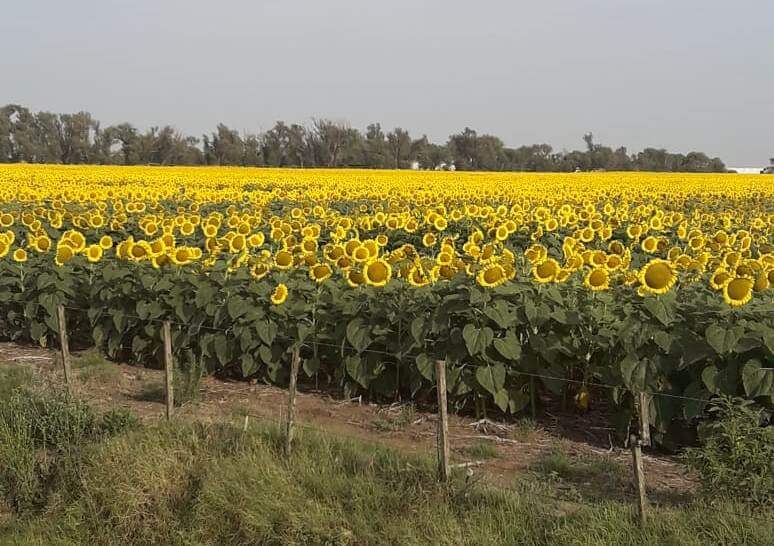
Within the framework of Investor Day that organizes ADBlick, attention was focused on the sunflower, a crop that is experiencing a historic season in Argentina this year.
After the best harvest so far this century, the area planted nationwide would grow by 10% to reach 5.75 million tons. The agro-industrial chain is strongly committed to this crop.
“We are making a very big commitment, with historic growth of more than 451% compared to last year”, he pointed out Santiago del Carril, general manager of the firm.
The company devotes one-third of its total planted area to sunflowers—some 26,000 hectares—and considers it the most stable and profitable crop in its portfolio for the past 17 seasons.
The key lies in the high oleic variety, which not only guarantees higher yields, but also adds value to the market due to the quality of its oil.
“The high oleic sunflower It is stable and profitable, and adapts very well to different environments and planting dates,” he explained. Esteban Romero, production manager at ADBlick, explaining that The company's yields are around 2,400 kilograms per hectare, 16% above the average. national.
The international community also supports this oilseed. According to Marcelo Cosso, head of cultivation at COFCO and vice president of the Argentine Sunflower Association, The world is demanding higher quality products, and high oleic sunflower oil fits that trend.
“The world is moving toward premium products, and sunflower oil is one of them. In that regard, Argentina is very well positioned,” he said.
The numbers speak for themselves: While the European Union produces 3.2 million tons of high-oleic sunflower seeds, Ukraine produces 1.3 million tons, and Argentina barely reaches 350,000 tons. and Russia 178,000. In this context, the opportunity is there for the taking.
“The premium paid on the market for oil quality can be as much as $100 extra per ton,” Romero pointed out. The growing preference among European consumers for traceable, value-added foods opens a key window of opportunity..
As summarized Francisco Pérez Brea, brand manager of NK Seeds (Syngenta): “Today's consumers demand more information and are willing to pay for additional quality.”.
One of the main challenges facing Argentine sunflowers is price formation, which depends on the Black Sea, the region where the world's largest producers are concentrated.
“Argentina does not set prices, but it has a lot of volume. ”The key will be to market at the right time," Cosso noted.
The War tensions, extreme weather, and fluctuations in international stocks set the pace of the market.. In this uncertain scenario, Argentina's competitiveness relies on genetic research and technological innovation.
NK Semillas, together with ADBlick, invests in the development of stable, high-yield hybrids. “The more you invest, the more genetic gain and yield you achieve,” Pérez Brea remarked, highlighting the need to update the Seed Law as an opportunity to accelerate improvements.
The growth of sunflower cultivation cannot be explained solely by the area planted or international prices. There is also a collaborative strategy between producers, seed companies, and industry.
“Today, the market is much more mature and transparent., ”with a lot of top-tier players and buyers," Del Carril celebrated.
Along those lines, Raul Paillot, commercial manager of NK Semillas, emphasized that In addition to improving genetics, work is being done on sustainability, regenerative agriculture, and traceability., factors that add value to Argentine products.
The present shows record levels of milling in the country and a recovery of productive areas, such as Córdoba, which are once again betting on cultivation after two decades. With genetics, technology, and markets willing to pay for quality, Argentine sunflowers seem to have what it takes to take off..
“The present and near future are extremely attractive for the channel,” concluded Del Carril, convinced that farming will become one of the key players undisputed leaders in Argentine agriculture