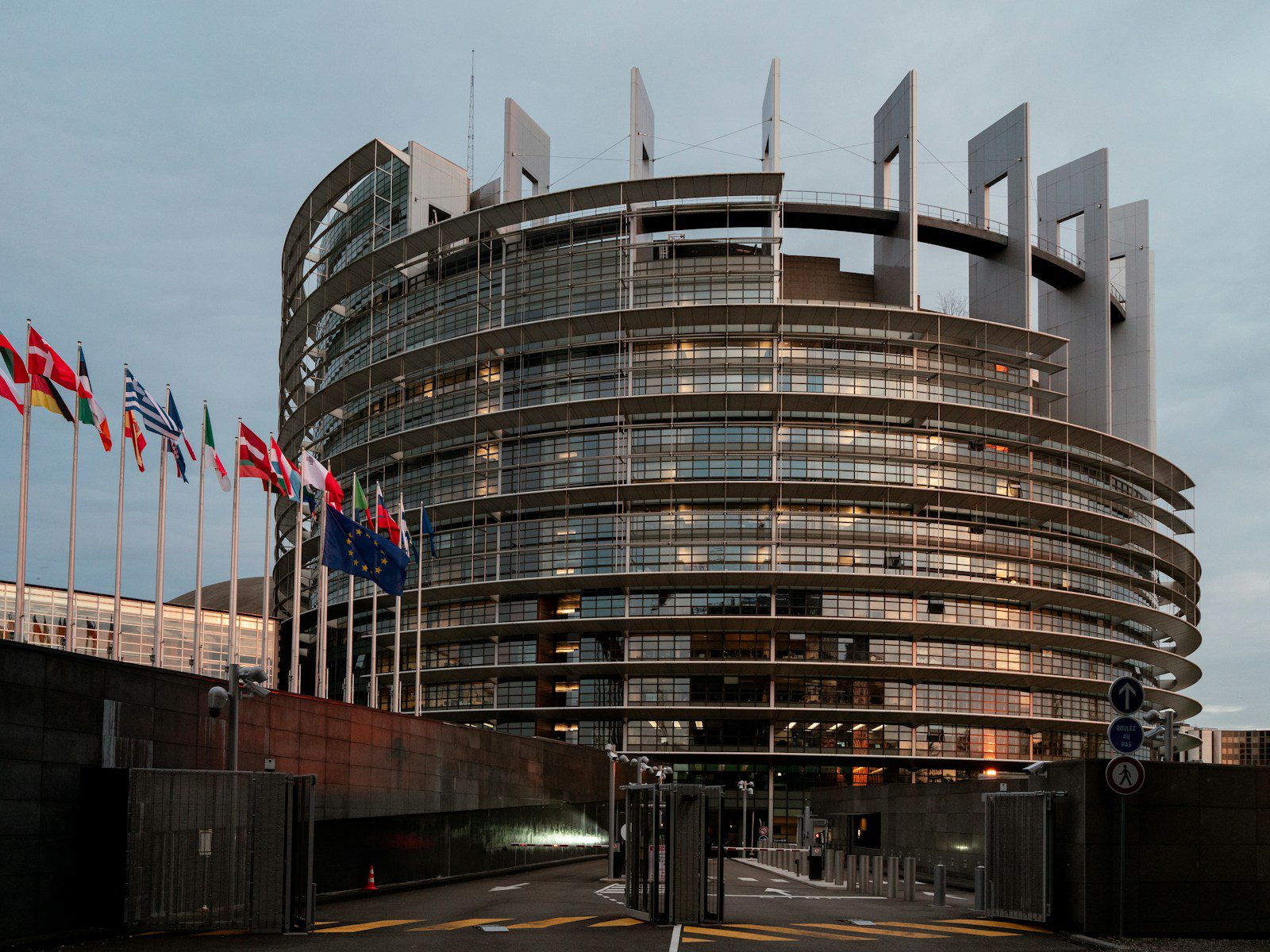
Mercosur celebrates the signing of the agreement with the European Union: “It is a historic moment”.”
Green light to the pact that will create the largest free trade zone in the world, with more than 720 million consumers.

 EN
ENMilei's new emergency decree now removes that maximum limit on land purchases by foreigners.
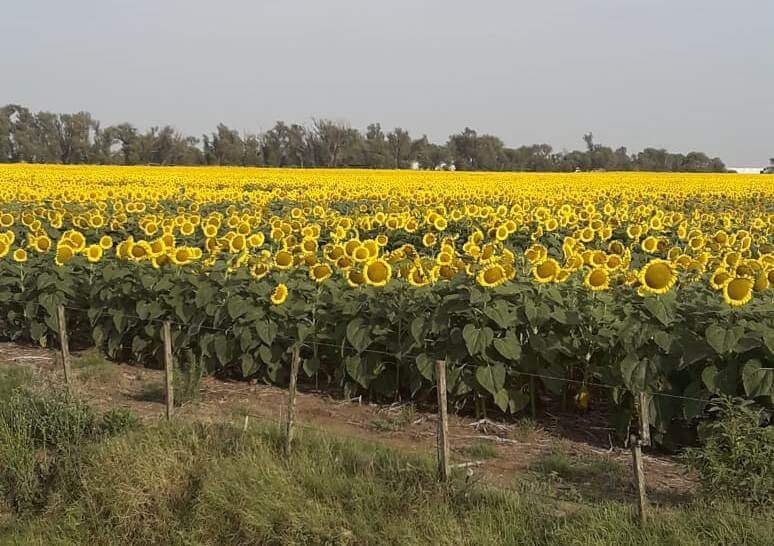
In the chapter dedicated to the Bioeconomy of the DNU (Decree of Necessity and Urgency) 70/2023, which was published early this morning in the Official Gazette, is summarized as “ARTICLE 154.- Law 26,737 is hereby repealed” to allow foreigners to purchase rural land in Argentina without any restrictions.
In reality, any foreigner has the possibility of buying land in the country, except in border areas that are related to security. But anyone can come and buy a ranch. Whether it's Joe Lewis or the Benettons.
So what will change? “It is necessary to repeal Law 26,737, which limits property rights over rural land and investments in the sector,” according to the decree's preamble.
Law 26,737 dates back to late 2011, when Cristina Kirchner had won re-election and, emboldened, was “going for broke.” A few years had passed since the 2008 conflict with the agricultural sector, and one of her obsessions was to place limits on the purchase of rural land by foreign capital.
There were basically three important articles in that law:
Article 8: The limit on all ownership or possession of rural land within the national territory is set at fifteen percent (15%). This percentage shall also be calculated on the territory of the province, municipality, or equivalent administrative entity in which the rural property is located.
Article 9: Under no circumstances may individuals or legal entities of the same foreign nationality exceed thirty percent (30%) of the percentage assigned in the preceding article to foreign ownership or possession of rural land.
Article 10: Rural land owned by a single foreign owner may not exceed one thousand hectares (1,000 ha) in the core area, or an equivalent area, depending on the location. This equivalent area shall be determined by the Interministerial Council on Rural Land provided for in Article 16 of this law.
What this controversial law did was to set a fixed limit on land ownership by foreigners, with 15% of the national territory, a province, or a municipality. In addition, the text approved by Congress created the National Registry of Rural Lands under the Ministry of Justice and Human Rights.
The Kirchner administration assumed that foreign penetration in the agricultural sector was very high, and therefore had to be limited. Finally, after several years and once the blessed Registry was completed, the conclusion was that it had all been a false alarm, because the percentage of land owned by foreigners was much lower—on average—than the 15% limit, at just 6%. There were only slightly higher rates in some provinces, such as Misiones, where Alto Paraná is very prominent, or in municipalities such as Campana, where many multinational companies have their factories.
In any case, despite the legislative absurdity, the law remained in force. And the State never managed to resolve much more important issues, such as the medieval structure of the land registry records that depend on the provinces, and which often prevent Argentines from knowing who the owners of the land are, whether they are nationals or foreigners, individual producers or corporations.
Milei's new emergency decree now removes that cap on land purchases by foreigners. For some, this is a big risk at a time when countries (such as China and the United Arab Emirates) are acquiring land in other parts of the world to produce food. For others, however, it is good news, as it will encourage foreign investment in the country.