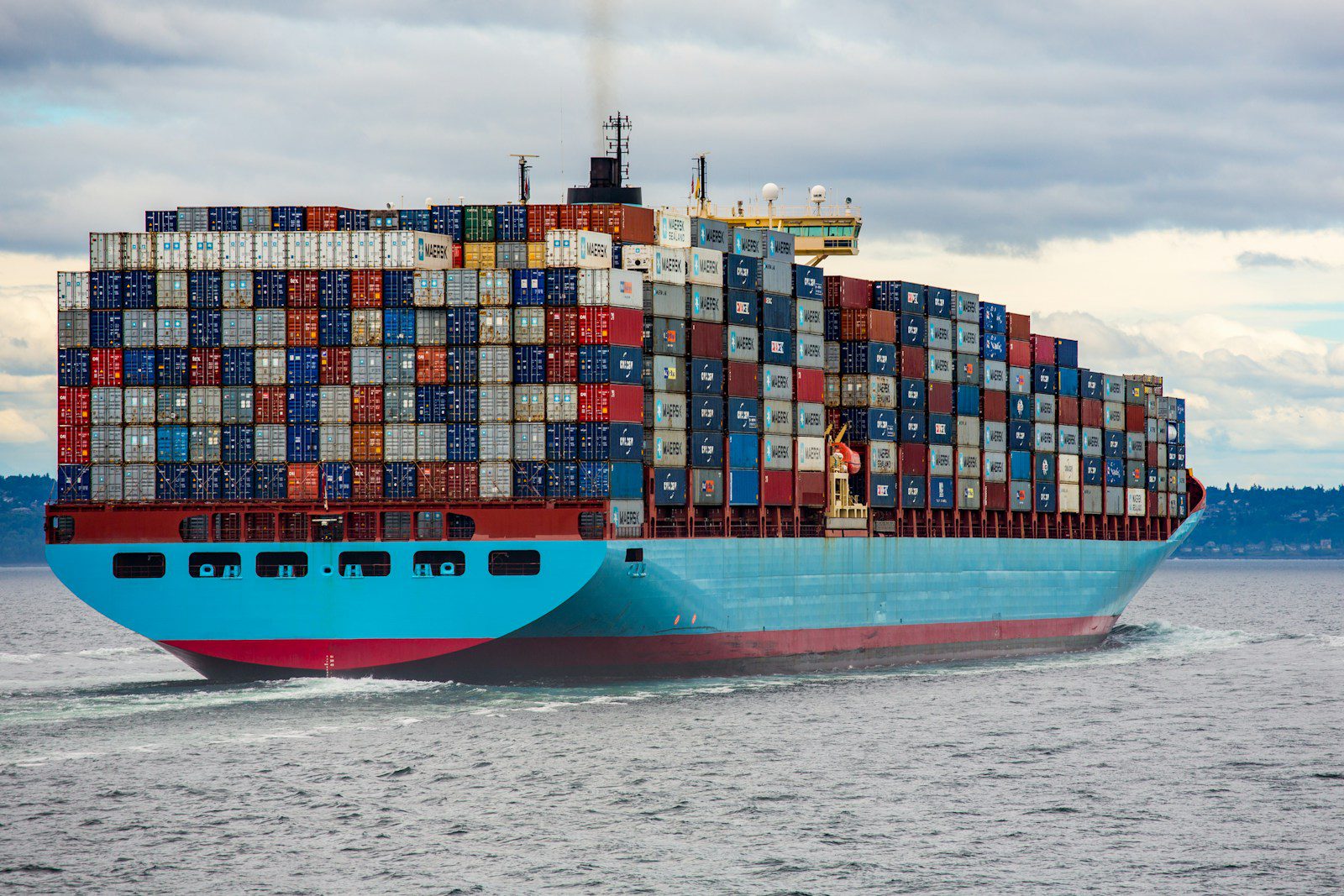
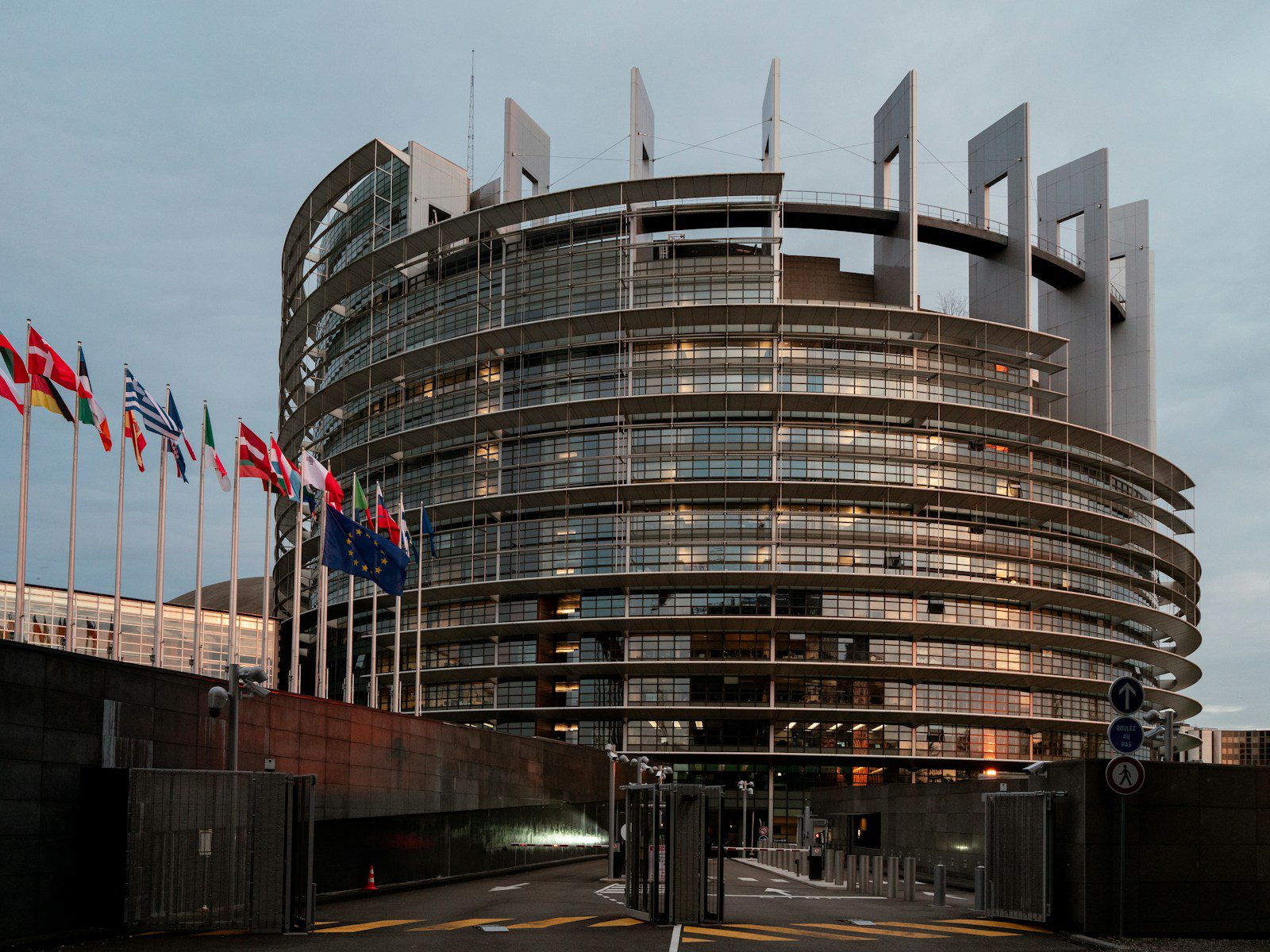
Mercosur celebrates the signing of the agreement with the European Union: “It is a historic moment”.”
Green light to the pact that will create the largest free trade zone in the world, with more than 720 million consumers.

 EN
ENInquiries from foreigners increased when Javier Milei took office, although they are waiting for greater stability and clear regulations before committing to Argentina.
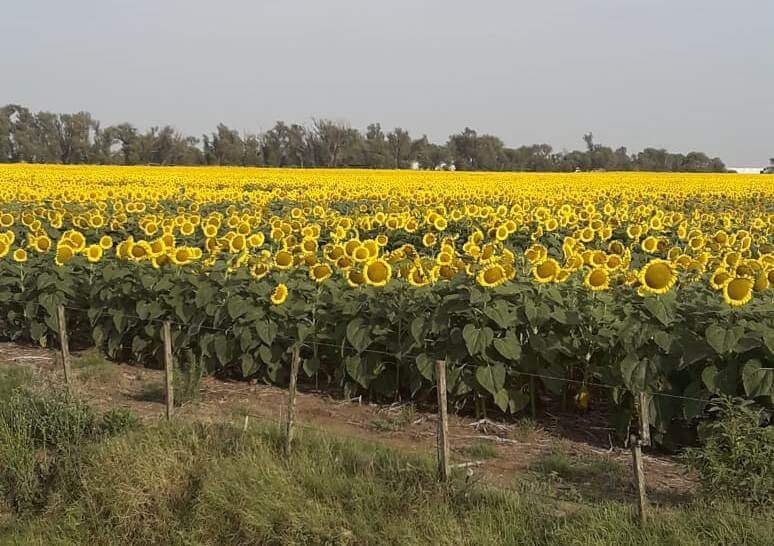
The Argentine countryside is recognized worldwide for its productive efficiency. For this reason, and as a result of the political and economic changes that occurred after the president took office, Javier Milei –the repeal of the Land Act, for example—, More and more foreigners are interested in buying local land, taking advantage of the low prices.
Beyond the growth in inquiries from investors from other countries, according to the Rural Real Estate Market Activity Index compiled by the Argentine Chamber of Rural Real Estate Agents (InCAIR) The sale of fields increased by 351% in February compared to January. Compared to February 2023, the increase was 57%. “The upturn in activity that usually occurs in March was anticipated,” the document explained.
As for foreign investors, they are mainly American, Australian, Spanish, and Italian. “They are very aware of the situation in Argentina. They know everything that is going on, and that is why they consult. These are disbursements that could occur, if the context allows, at the end of the year or early next year. 2025“revealed Federico Nordheimer, director of the rural real estate agency of the same name.
Furthermore, most of these are businesspeople who have other main activities and see Argentina as an investment opportunity. “The people who consult us, They see it as a long-term investment. They have another means of livelihood. and this is a way to keep money safe,” he explained. Alejandro Luis de Elizalde, president of Elizalde, Garrahan, and Co.
In turn, according to what he said from Elizalde, Foreign interest resurfaced after the repeal of the Land Law, which Javier Milei introduced in the Emergency Decree, which he signed during his first days as President.
“Consultations increased by 100% following the repeal of the Land Act.. We used to get one or two calls a month. Today, interest is much greater,” Nordheimer revealed.
It was a regulation that limited the possibility of selling land containing important water sources or located in the country's core areas to foreigners. However, last week the Senate did not approve DNU 70/2023., The sector expects the House of Representatives to give the green light, so they are confident that the law will remain repealed. However, they assert that these types of unexpected moves “discourage interest.”.

The Land Law was passed at the end of 2011 and establishes a 15% cap on foreign ownership, both nationally and at the provincial and departmental levels, and by nationality. “In core areas, a maximum of 1,000 hectares was established for foreign investors., clarified José Maria Bauza, President of the Argentine Chamber of Rural Real Estate (CAIR).
“Foreigners are seeing the opportunities. Especially now, while prices have not yet risen. However, today there is no rush to buy land in Argentina due to political fluctuations,” said de Elizalde. He added that another reason that makes it difficult to purchase land is financing: “In neighboring countries such as Paraguay and Uruguay, banks offer financing for land purchases. That doesn't exist in Argentina.
According to what he said Nordheimer, The consultations cover all types of fields: productive, for permanent production—such as olive or almond trees—to livestock. In addition, the interest is in land ranging from 200 hectares to more than 1,000 hectares.
“Until last year, only Argentinians were buying. Today, anyone born anywhere in the world can purchase land. However, local circumstances are always taken into account. These are not immediate decisions because foreign investors need the government to stabilize and get its project on track, which, precisely, promotes investment,” he revealed. Nordheimer.
Currently, one hectare in the ‘golden triangle’—as they call the most expensive and productive area of the country, made up of the Buenos Aires towns of Rojas, Salto, and Pergamino—costs around u$s 15,000 and u$s 17,000. Prices decrease as you move further away from this location.
Other large centers are located in central and southern Córdoba, around Río Cuarto, in the southeast of the Province of Buenos Aires (Necochea, Mar del Plata, and Tres Arroyos), and in the Venado Tuerto area.
| Area | Price per hectare |
| Golden Triangle | u$s 17,000 - u$s 15,000 |
| Central and southern Córdoba | u$s 10,000- u$s 7000 |
| Río Cuarto | u$s 7000- u$s 3500 |
| southeast PBA | u$s 7000- u$s 3500 |
| Venado Tuerto | u$s 3000- u$s 7000 |
However, given the local macroeconomic context, The values of Argentine fields are between 50% and 70% less than the same land with equal productive capacity located in other countries in the region.
In turn, Nordheimer explained that, although local land is cheaper than in other countries in the region, The difference is based on country risk: “While Argentina has a country risk of 1632 points, Uruguay has 122.That's the difference, explained like that. Investing in Argentina always has its risks.
However, rural real estate developers believe that the value of Argentine land will recover once the government is able to “get its project on track.”.
“Last year, sellers were hearing offers below their asking prices,” said de Elizalde. He explained that a hectare in the ‘golden triangle’ that is currently worth u$s 15,000, should be worth u$s 20,000. However, for the same land, last year bids were being accepted for u$s 12,000. “The seller has regained power and now it is he who can choose.”.
The Chronicler
https://www.cronista.com/negocios/el-campo-vuelve-a-atraer-inversores-extranjeros/